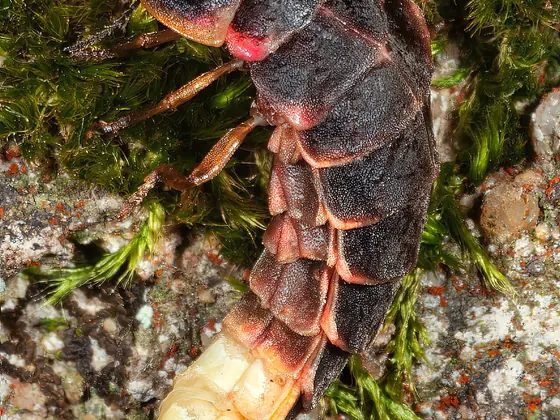
On warm June nights glow-worms shine in the grass. The brightest is the female, which has no wings and looks like a larva. Her light attracts the flying male. Glow-worm larvae feed on snails.
A glow-worm’s light comes from a chemical reaction of luciferin with oxygen, helped by the enzyme luciferase. Almost no heat is made, so this light is called cold light. The larvae glow too, warning predators that they taste bad. Artificial light at night makes it hard for males to find females, so glow-worms are a sensitive sign of light pollution.
Club observations
The club has not recorded this yet. The first record draws the first dot on the circle, and each year adds another.